Research Interest
My research lies at the intersection of epigenetics and cancer, integrating in vivo and in vitro kinase signaling biology, functional genomics, chromatin biochemistry and chemical biology to advance our understanding of cell signaling-chromatin connectivity.
Signaling to Chromatin
My primary research interest is dissecting the cellular signaling pathways, particularly those mediated by kinases and mutant kinases, that regulate chromatin dynamics in human cancers. I am deeply intrigued by how these signals converge in the nucleus to communicate with chromatin, modulating gene expression in response to intrinsic and extrinsic cues. By identifying chromatin-associated factors driving these changes, my work aims to uncover disease-specific mechanisms of cellular control and lay the groundwork for new, highly specific avenues for therapeutic intervention.
Decoding Cancer’s Diversity: Unraveling the Drivers of Tumor Heterogeneity
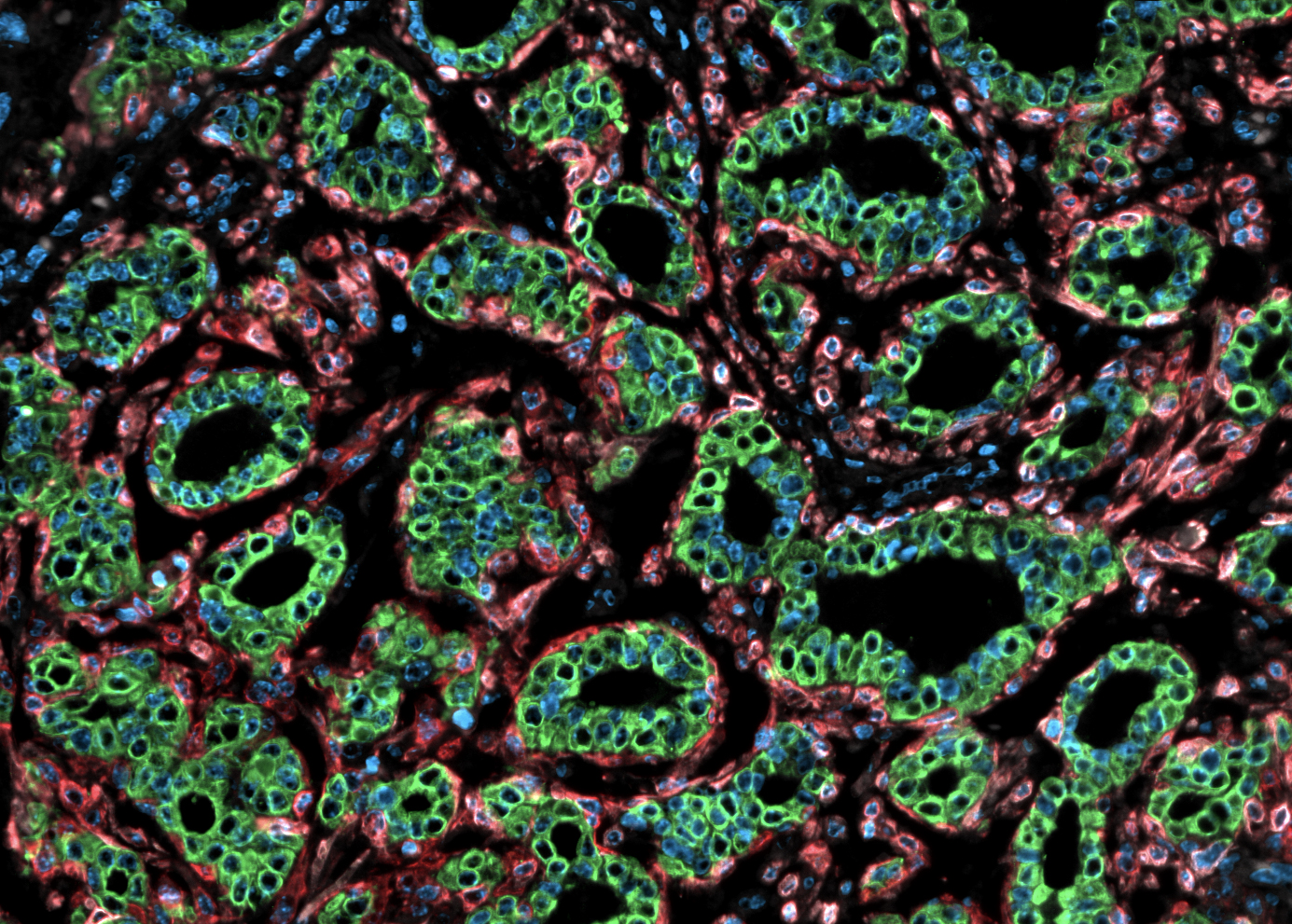
A key focus of my past research was understanding how genetic and cellular factors drive tumor heterogeneity, a hallmark of breast cancer - a complex disease, with tumors often displaying remarkable diversity not just between patients but even within the same tumor. We discovered that hyperactive PI3-kinase signaling mediated by mutations in the PIK3CA gene, which occur in over 30% of breast cancers, can reprogram breast cells, pushing them to revert to a multipotent stem-like state, fueling the growth of heterogeneous tumors. This discovery highlighted a crucial mechanism driving tumor heterogeneity in tissues. Furthermore, we showed that the tumor cell of origin dictates aggressiveness of breast cancer, as tumors that arose from breast luminal cells were more aggressive than those that expressed the same mutation in breast basal cells; emphasizing the impact of the cell of origin on tumor development.