Notable Publications
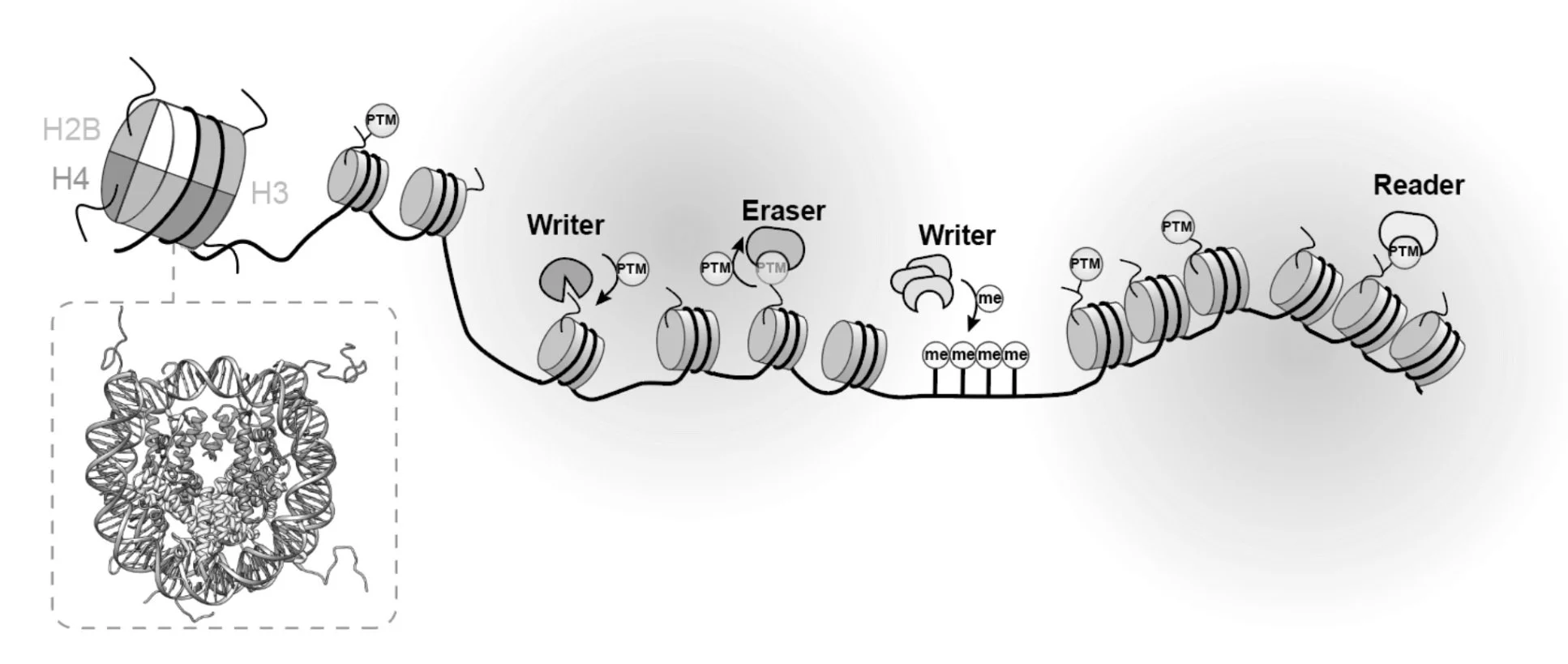
Interrogating epigenetic mechanisms with chemically customized chromatin.
Hananya N*, Koren S*, Muir TW.
Nature Reviews Genetics (2024)
In this review, we discuss how advances in protein engineering and biochemical techniques are improving our understanding of chromatin regulation, with a focus on chromatin mark establishment and protein–chromatin interactions.
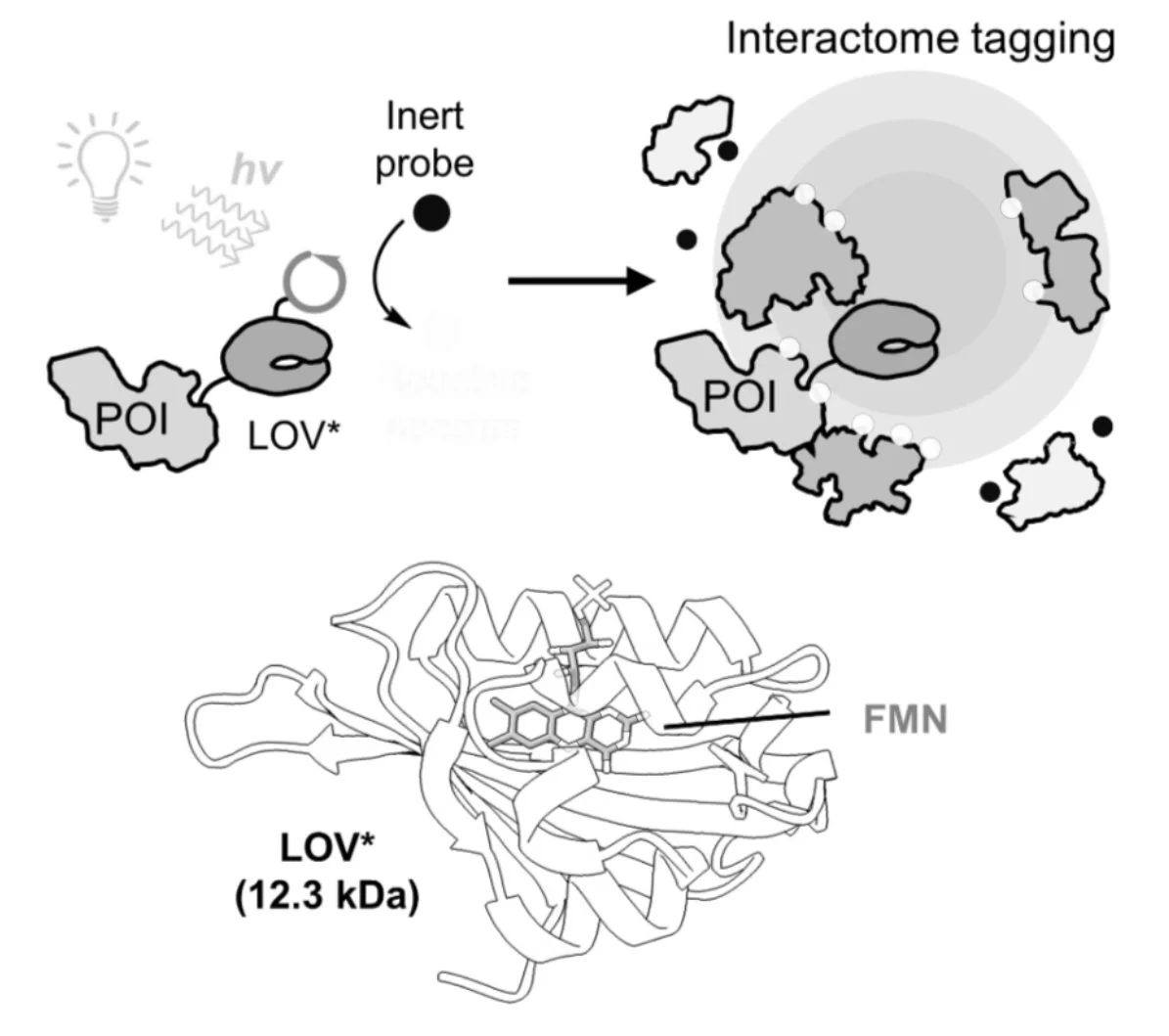
A genetically encoded photoproximity labeling approach for mapping protein territories.
Hananya N*, Ye X*, Koren S, Muir TW.
PNAS (2023)
In this manuscript, we describe a novel photoproximity labeling approach -Light-induced Interactome Tagging (LITag)-, which enables the capture of protein interactomes with brief visible light exposure.
PIK3CA H1047R induces multipotency and multi-lineage mammary tumours.
Koren S, Reavie L, Couto JP, De Silva D, Stadler MB, Roloff T, Britschgi A, Eichlisberger T, Kohler H, Aina O, Cardiff RD, Bentires-Alj M.
Nature (2015)
In this study, we discovered that hyperactive PI3-kinase signaling due to PIK3CA H1047R mutations rewires breast cancer cells into a stem-like state in vivo, contributing to tumor heterogeneity. Further, our findings reveal that the tumor cell of origin influences the frequency and malignancy of mammary tumors, shedding light on a mechanism that drives tumor aggressiveness and heterogeneity.
Work was highlighted in Cancer Discovery and selected as Editors’ choice in Science Signaling.
Additional Publications
Breast tumor heterogeneity: source of fitness, hurdle for therapy.
Koren S and Bentires-Alj M.
Molecular Cell. (2015). doi:10.1016/j.molcel.2015.10.031.
Expression of PIK3CA mutant E545K in the mammary gland induces heterogeneous tumors but is less potent than mutant H1047R.
Meyer DS*, Koren S*, Leroy C, Brinkhaus H, Müller U, Klebba I, Müller M, Cardiff RD, Bentires-Alj M. (*equal contribution)
Oncogenesis. (2013). doi: 10.1038/oncsis.2013.38.
Tackling Resistance to PI3K Inhibition by Targeting the Epigenome.
Koren S, Bentires-Alj M.
Cancer Cell. (2017) doi: 10.1016/j.ccell.2017.04.010.
The Hippo kinases LATS1 and 2 control human breast cell fate via crosstalk with ERα.
Britschgi A, Duss S, Kim S, Couto JP, Brinkhaus H, Koren S, De Silva D, Mertz KD, Kaup D, Varga Z, Voshol H, Vissieres A, Leroy C, Roloff T, Stadler MB, Scheel CH, Miraglia LJ, Orth AP, Bonamy GM, Reddy VA, Bentires-Alj M.
Nature. (2017) doi: 10.1038/nature20829.
Genetic ablation of sfrp4 in mice does not affect serum phosphate homeostasis.
Christov M, Koren S, Yuan Q, Baron R, Lanske B.
Endocrinology. (2011) doi: 10.1210/en.2010-1351
Complete List of Publications
Interrogating epigenetic mechanisms with chemically customized chromatin.
Hananya N*, Koren S*, Muir TW.
Nat Rev Genet (2024). doi:10.1038/s41576-023-00664-z. (*equal contribution)
A genetically encoded photoproximity labeling approach for mapping protein territories.
Hananya N*, Ye X*, Koren S, Muir TW.
Proc Natl Acad Sci U S A. (2023) doi: 10.1073/pnas.2219339120.
Lobular carcinoma in situ and invasive lobular breast cancer are characterized by enhanced expression of transcription factor AP-2b.
Raap M, Gronewold M, Christgen H, Glage S, Bentires-Alj M, Koren S, Derksen PW, Boelens M, Jonkers J, Lehmann U, Feuerhake F, Kuehnle E, Gluz O, Kates R, Nitz U, Harbeck N, Kreipe HH, Christgen M.
Lab Invest. (2017) doi: 10.1038/labinvest.2017.106.
Tackling Resistance to PI3K Inhibition by Targeting the Epigenome.
Koren S, Bentires-Alj M.
Cancer Cell. (2017) doi: 10.1016/j.ccell.2017.04.010.
The Hippo kinases LATS1 and 2 control human breast cell fate via crosstalk with ERα.
Britschgi A, Duss S, Kim S, Couto JP, Brinkhaus H, Koren S, De Silva D, Mertz KD, Kaup D, Varga Z, Voshol H, Vissieres A, Leroy C, Roloff T, Stadler MB, Scheel CH, Miraglia LJ, Orth AP, Bonamy GM, Reddy VA, Bentires-Alj M.
Nature. (2017) doi: 10.1038/nature20829.
Breast tumor heterogeneity: source of fitness, hurdle for therapy.
Koren S and Bentires-Alj M.
Molecular Cell. (2015). doi:10.1016/j.molcel.2015.10.031.
PIK3CAH1047R induces multipotency and multi-lineage mammary tumours.
Koren S, Reavie L, Couto JP, De Silva D, Stadler MB, Roloff T, Britschgi A, Eichlisberger T, Kohler H, Aina O, Cardiff RD, Bentires-Alj M.
Nature. (2015) doi:10.1038/nature14669.
Editors’ choice in Science Signaling (doi: 10.1126/scisignal.aad3711)
Highlighted in Cancer Discovery (doi: 10.1158/2159-8290.CD-RW2015-162)
Expression of PIK3CA mutant E545K in the mammary gland induces heterogeneous tumors but is less potent than mutant H1047R.
Meyer DS*, Koren S*, Leroy C, Brinkhaus H, Müller U, Klebba I, Müller M, Cardiff RD, Bentires-Alj M.
Oncogenesis. (2013). doi: 10.1038/oncsis.2013.38. (*equal contribution)
Mouse models of PIK3CA mutations: one mutation initiates heterogeneous mammary tumors.
Koren S, Bentires-Alj M.
FEBS J. (2013) doi: 10.1111/febs.12175.
Genetic ablation of sfrp4 in mice does not affect serum phosphate homeostasis.
Christov M, Koren S, Yuan Q, Baron R, Lanske B.
Endocrinology. (2011) doi: 10.1210/en.2010-1351.